


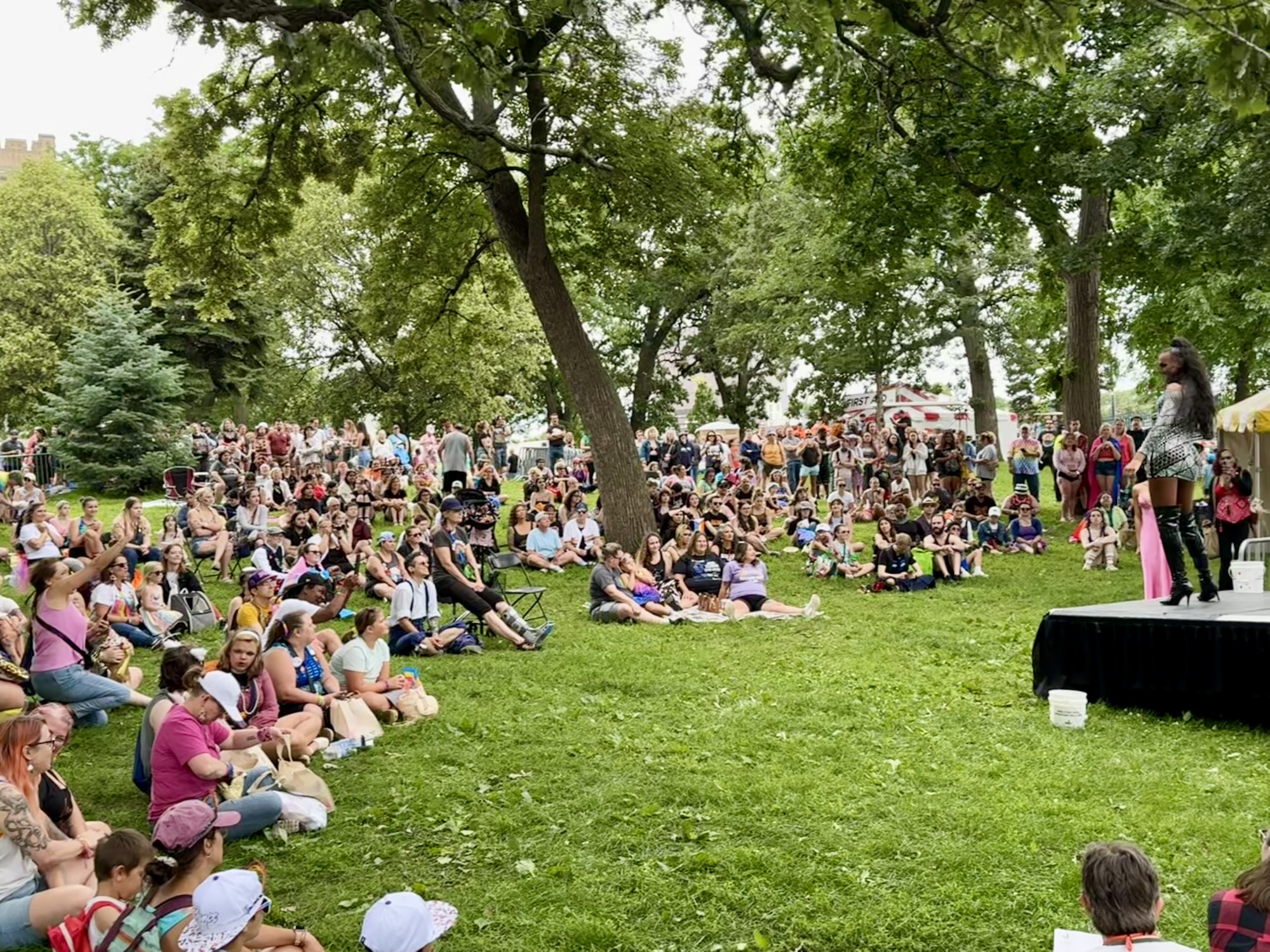
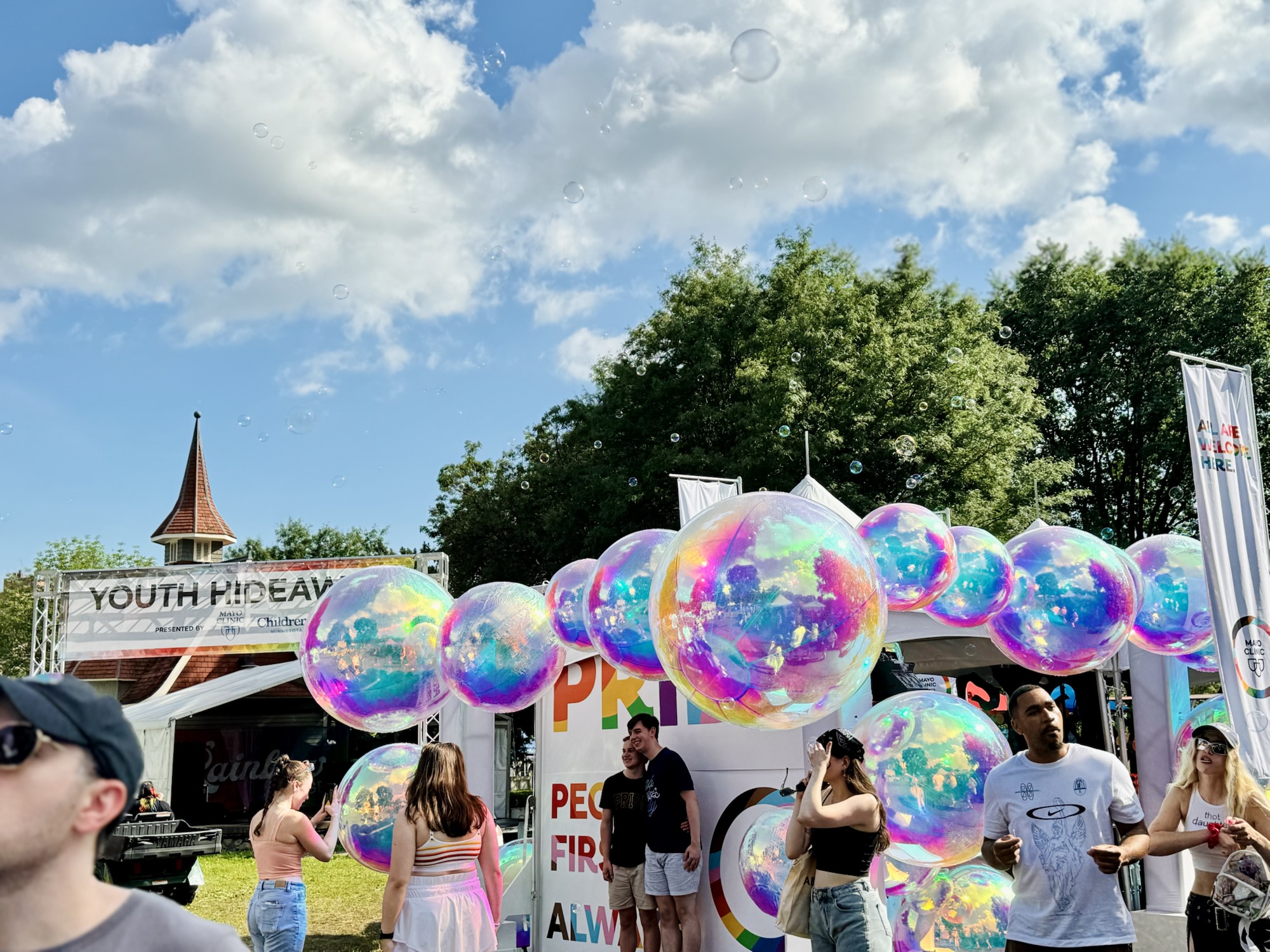




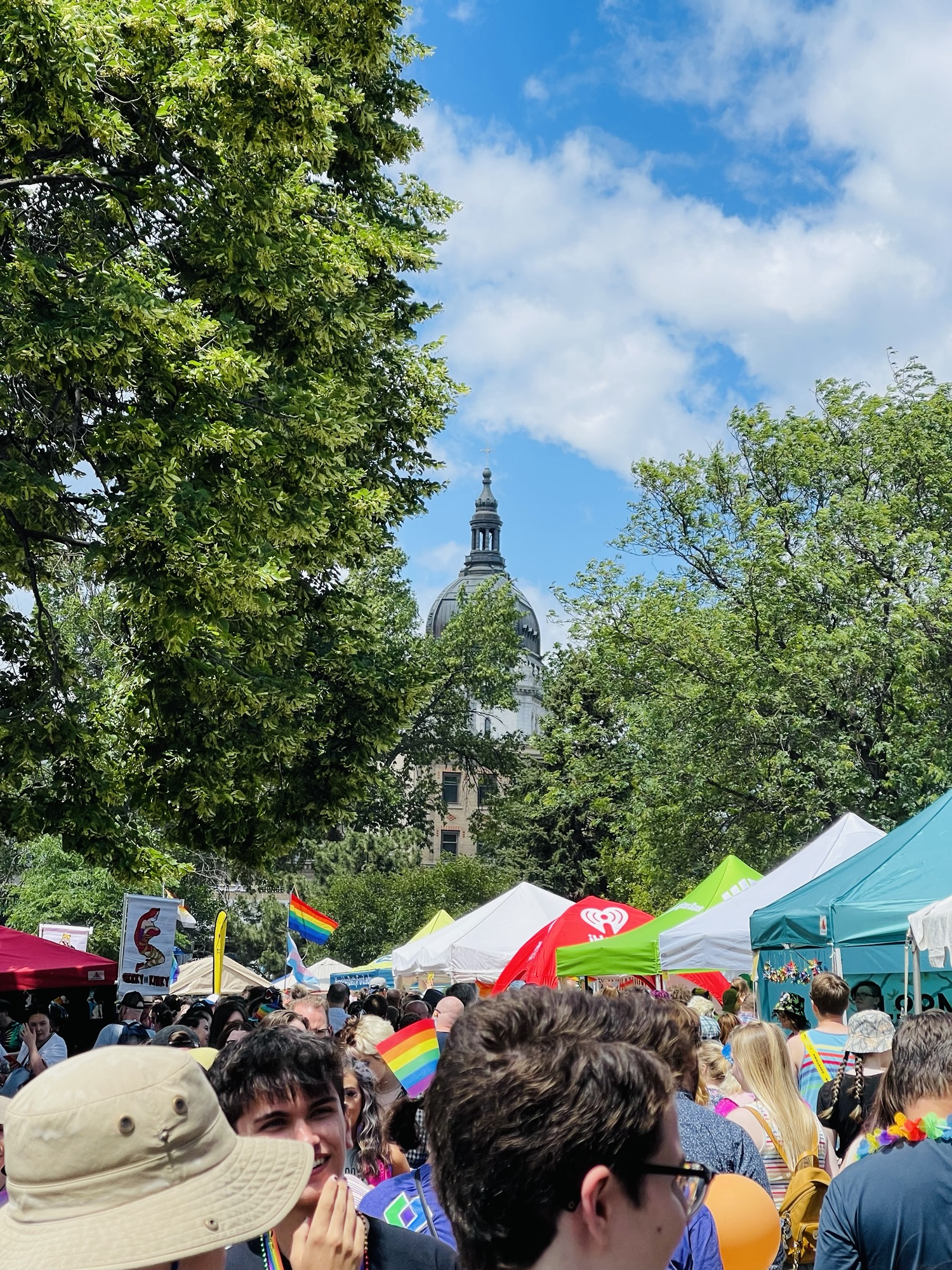

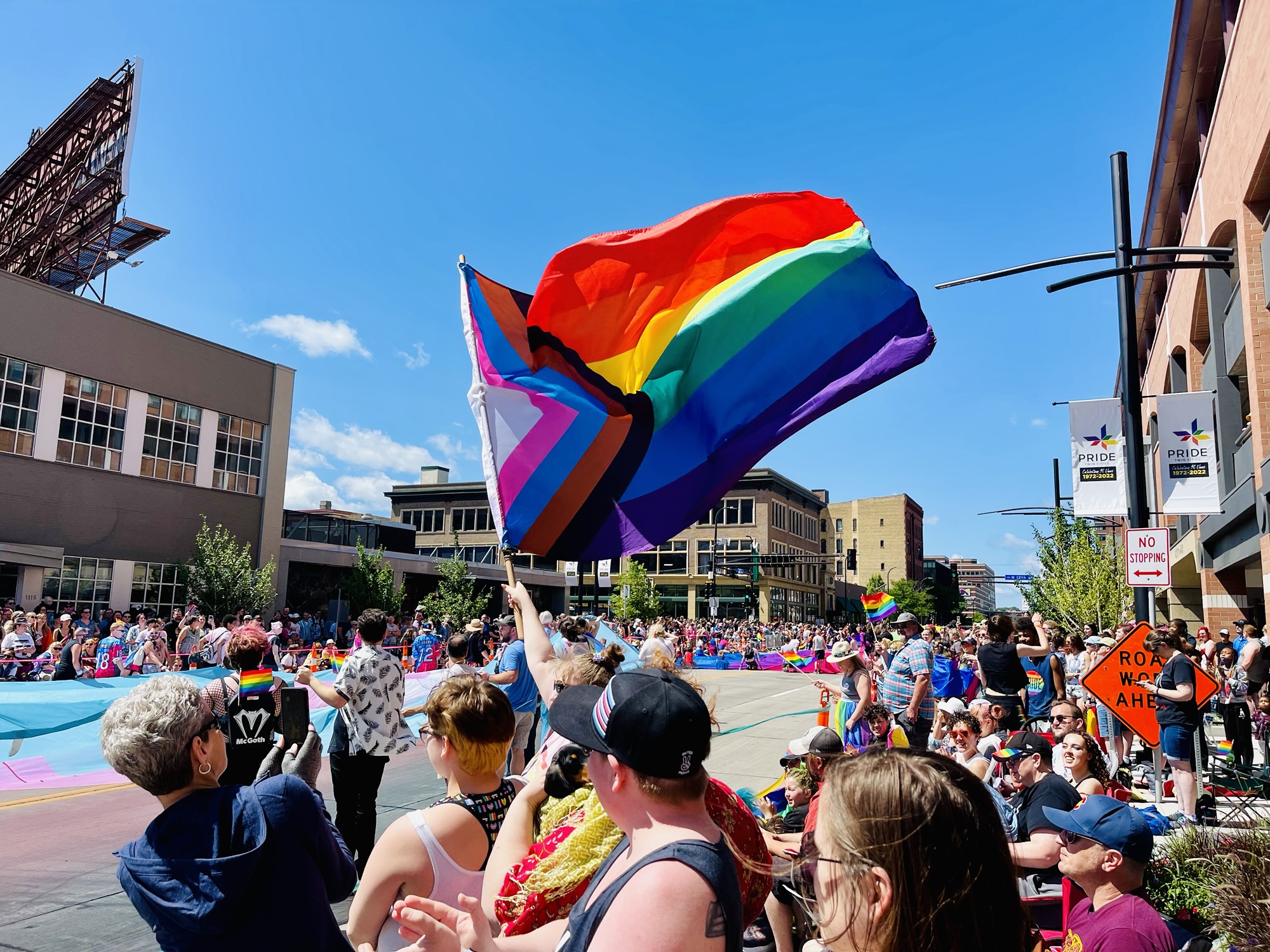
Twin Cities Pride is back in Loring Park this weekend, and organizers say the celebration that started with a few dozen people marching down Nicollet Mall in 1972 has grown into one of the largest free Pride festivals in the country.
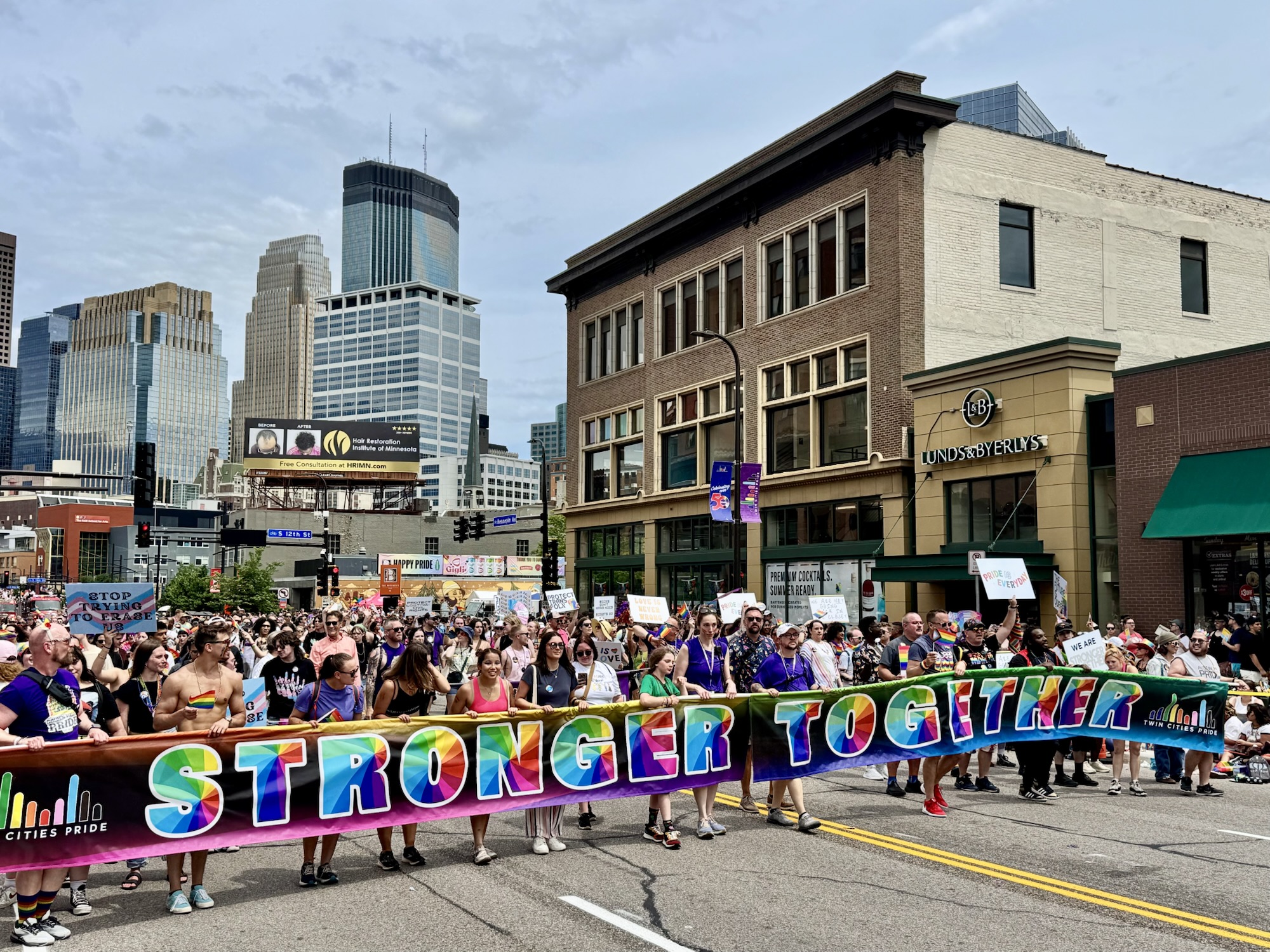
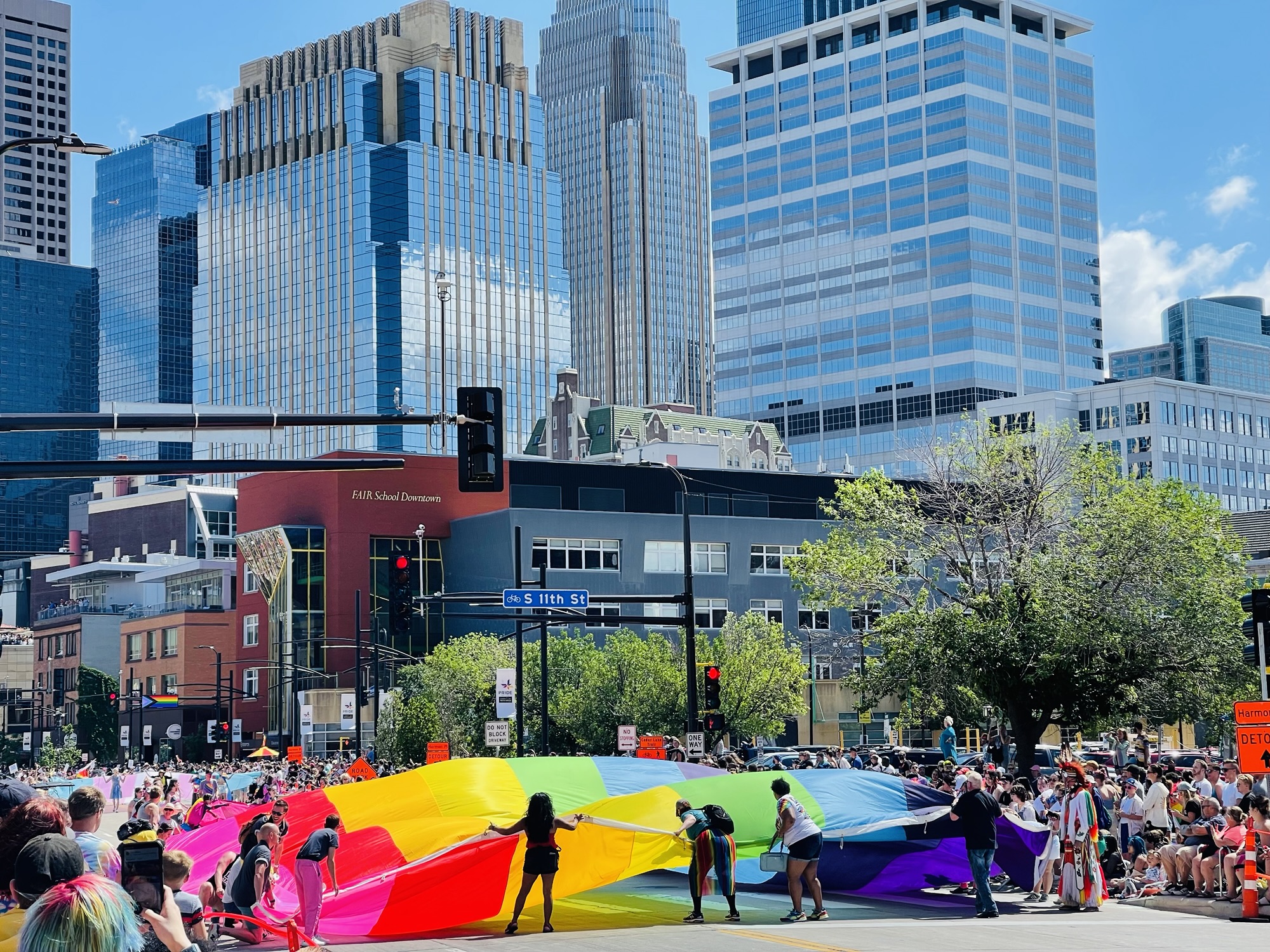
The festival runs Saturday, June 27, from 10 a.m. to 7 p.m. and Sunday, June 28, from 10 a.m. to 6 p.m., with the Ashley Rukes GLBT Pride Parade stepping off Sunday at 11 a.m. from 3rd Street and Hennepin Avenue. Twin Cities Pride Youth Night, a free event for ages 10 to 20, opens the weekend Friday from 5 to 8 p.m., also at Loring Park.

Twin Cities Pride describes the event as Minnesota’s second largest festival overall and the largest free Pride festival in the state, a distinction tied to its no-admission policy. Several travel and tourism guides go further, calling it among the largest free Pride celebrations in the United States, citing total weekend attendance that organizers and local tourism partners estimate at more than 400,000 people, with the parade alone drawing upward of 200,000 spectators along Hennepin Avenue.
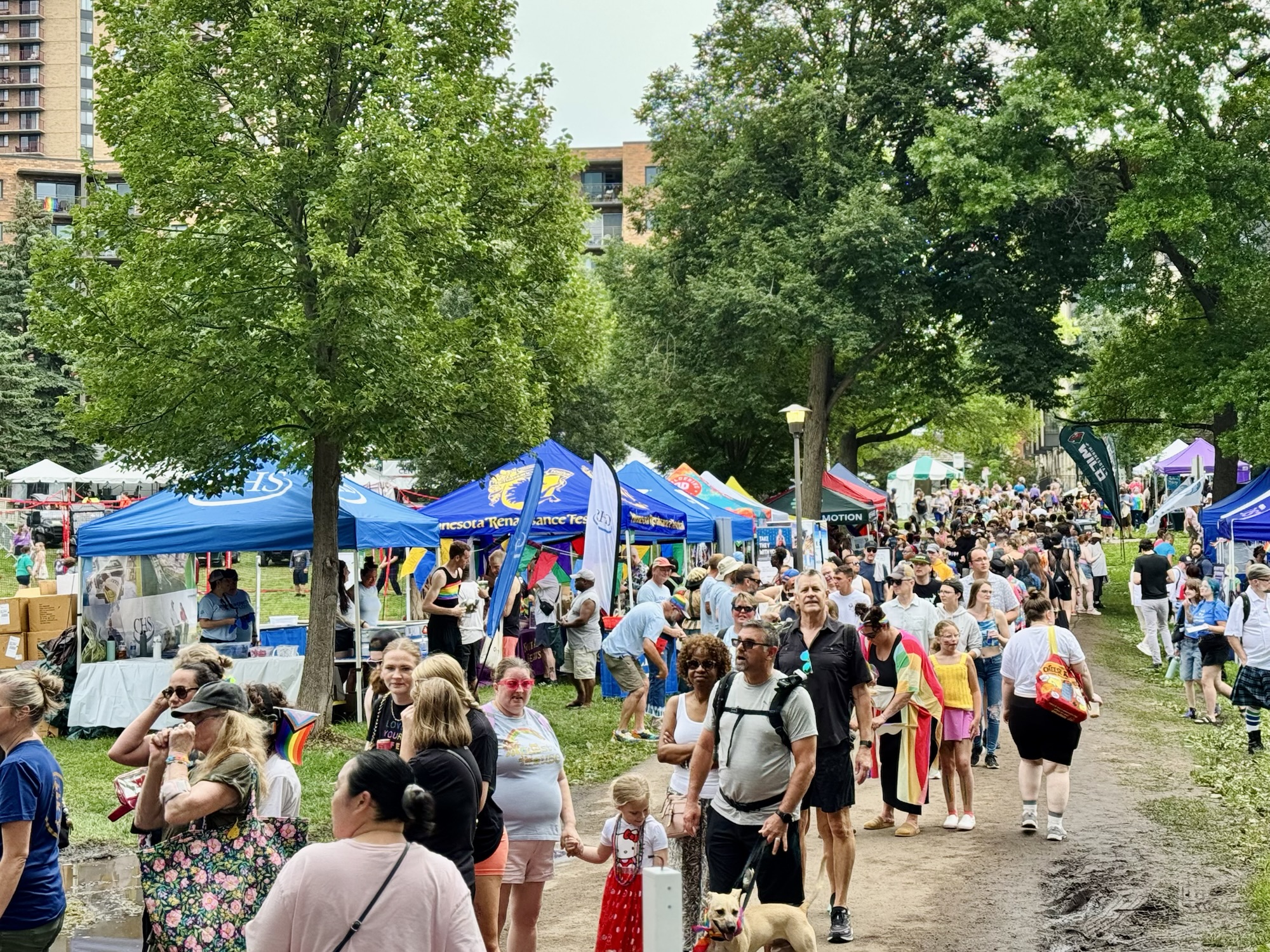
This year’s festival features four entertainment stages and more than 650 vendors, including LGBTQIA2S+ and BIPOC-owned businesses, community resource organizations and artists, according to the event’s official program. Vendor applications for 2026 opened earlier this year through Eventeny, the platform Twin Cities Pride uses to manage its booth and entertainment applications.

The roots of the celebration trace back to a 1972 march of about 50 people on Nicollet Mall, organized to mark the third anniversary of the Stonewall riots. Andy Otto, who works with Twin Cities Pride, recounted the festival’s earliest days in a 2024 interview with CBS Minnesota.
“The story is there were 25 folks here in Loring Park,” Otto said.
That first gathering grew the following year to roughly 150 attendees for a week of events that included a picnic, a dance and even a canoe outing, according to historical accounts compiled by the Seward Community Co-op. By 1995, festival attendance had climbed past 100,000 as multiple music stages were added. The organization was renamed in 1993 to formally include bisexual and transgender identities, making it one of the earlier Pride organizations nationally to do so.

The celebration has not been without internal tension. In 2020, following the murder of George Floyd, organizers canceled their planned virtual event amid debate over police presence at Pride, and some community members organized an alternate “Taking Back Pride” march centering Black transgender voices. In 2025, the festival dropped longtime sponsor Target after the retailer scaled back its diversity, equity and inclusion policies, ending an 18-year sponsorship relationship.
This year’s lead-up events include Family Fun Day at Como Park’s East Pavilions on June 21 and the Rainbow Run 5K down Hennepin Avenue on Sunday morning before the parade. The weekend’s other staple, the Pride Beer Dabbler at the Minneapolis Sculpture Garden, is a separate ticketed event that traditionally kicks off Pride weekend on the Friday evening before the festival.

Free Metro Transit rides are available for festival and parade attendees both days, a partnership the organization has maintained in recent years to ease access to Loring Park. Parking in the surrounding Loring Park and Uptown neighborhoods fills quickly, and event organizers recommend booking ahead.
Twin Cities Pride operates as a Minnesota 501(c)(3) nonprofit, and the parade itself carries the name of Ashley Rukes, a transgender activist and former parade organizer the event was renamed to honor.


